

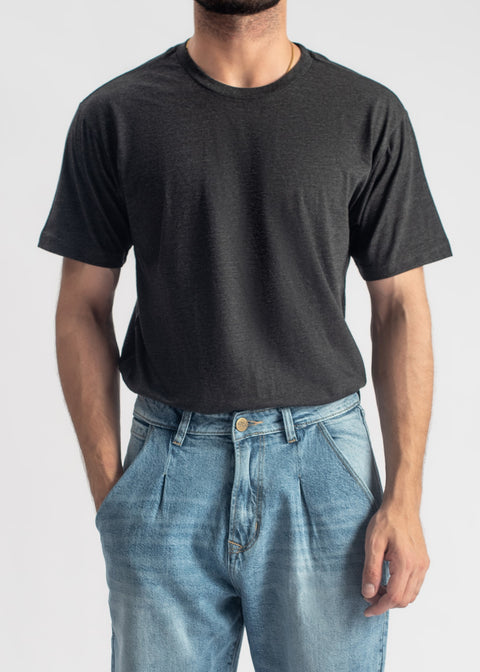
Basic T-Shirt Charcoal
Rs.1,690Rs.1,250
Rs.1,690Rs.1,250
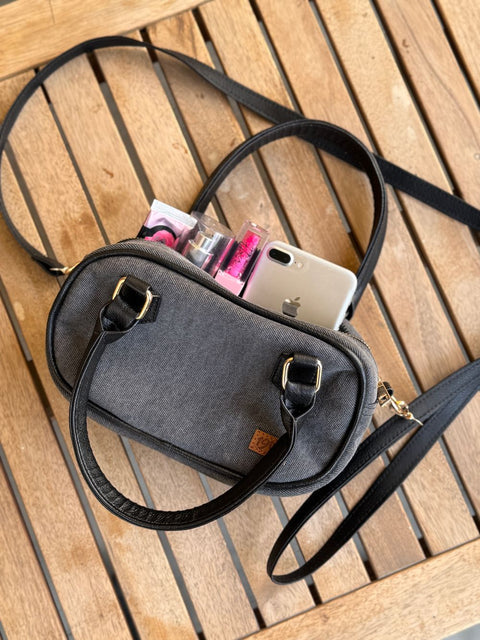
Rs.3,250
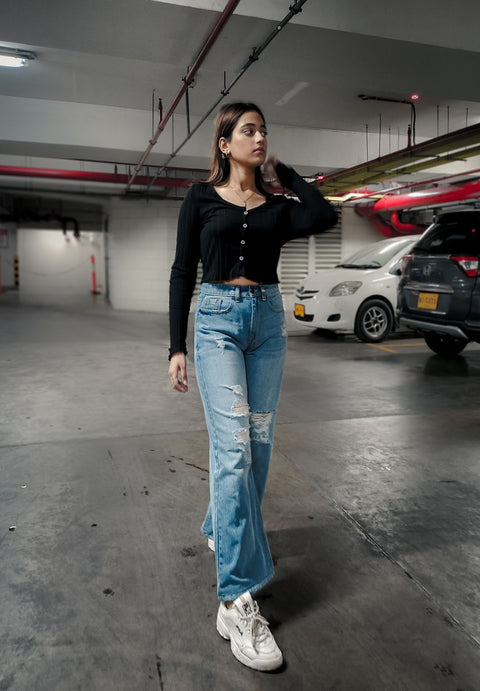
Rs.4,380Rs.1,947
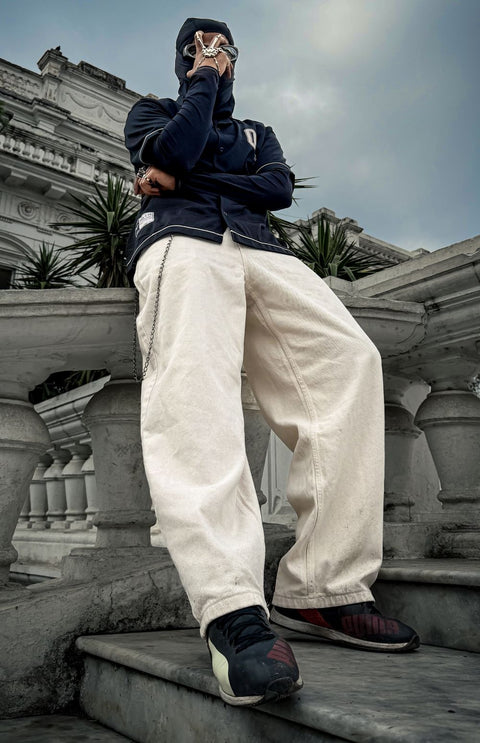
Rs.5,280

There is no single Pakistani body shape. The phrase is better understood as a local fit context: Pakistani shoppers need jeans evaluated through actual measurements, climate comfort, and South Asian proportions rather than imported Western size charts. Straight, relaxed, wide-leg, and bootcut jeans tend to work across the widest range of body types because they offer room where it counts. Body-shape labels like pear, hourglass, and apple are useful starting points, but your waist-to-hip difference, thigh room, rise, and inseam matter more than any label.
Jeans suited for Pakistani body shapes are jeans chosen for real proportions, not just trend names. That means checking the waist-to-hip difference, thigh room, rise height, inseam length, and fabric weight before picking between straight, relaxed, baggy, bootcut, or wide-leg cuts. A 2023 doctoral study on Pakistani womenswear found that local brands often modified sizes from international data, which did not fit local women well because South Asian body structures differ from Western ones. Pakistan still lacks a proper anthropometric sizing system, so size labels are a starting point, not a guarantee. This glossary explains the terms that actually determine whether jeans fit your body, your weather, and your daily life.
| Body type or fit need | Best starting jeans | Why it works | Watch out for |
|---|---|---|---|
| Pear (fuller hips and thighs) | High-rise straight, bootcut, wide-leg | Gives thigh room, balances hips | Waist gap at back |
| Hourglass (curvy waist-to-hip) | High-rise straight, flare, bootcut | Defines waist without squeezing hips | Rigid waistbands, back gaping |
| Apple (fuller midsection) | Mid-rise or high-rise straight, bootcut, relaxed | Smooths waist, balances slimmer legs | Low-rise digging in |
| Rectangle (straight frame) | Wide-leg, barrel, relaxed, boyfriend, baggy | Adds shape and volume | Too-long hems overwhelm frame |
| Inverted triangle (broad shoulders) | Wide-leg, bootcut, flare, straight | Adds balance below waist | Skinny jeans exaggerate top-heavy look |
| Athletic (thick thighs) | Relaxed, straight, cargo, athletic taper | Gives thigh and seat room | Slim jeans pull at crotch |
| Petite (shorter height) | Straight, slim-straight, cropped wide-leg | Clean length elongates legs | Pooling fabric shortens appearance |
| Hot-weather comfort | Relaxed, wide-leg, straight, lightweight denim | More airflow, less cling | Heavy skinny denim feels restrictive |
Once you know which direction to go, finding the right pair becomes much simpler.
Shop men’s jeans by fit | Shop women’s denim jeans
“Pakistani body shapes” is not a scientific category. Using it to claim all Pakistanis are pear-shaped or stocky would be lazy and wrong.
The term is useful in a narrower way: it describes a local fit context. Pakistani shoppers face sizing inconsistency, online buying risks, hot weather, and styling needs (kurtas, modest layering, campus outfits) that Western denim guides ignore completely. Earlier research at the University of Management and Technology measured over 200 Pakistani women aged 18 to 25 and found that the lack of proper local size standards causes confusion and dissatisfaction. Reported fit problems cluster at the hip, thigh, bust, and shoulder.
Body-shape categories like pear, hourglass, apple, and rectangle come from classification frameworks developed in apparel research. They are shortcuts, not rules. For jeans specifically, lower-body measurements matter more than the label. A petite pear and a tall pear do not need the same jeans. Shape tells you proportion. Size tells you scale. You need both.
Most guides tell you to pick jeans by body-shape name alone. That is incomplete. The jeans that suit Pakistani body shapes best are chosen through four fit checks.
If your waist is much smaller than your hips, you will likely get waist gap: the annoying space at the back waistband when jeans fit your hips but not your waist. Pear and hourglass shoppers deal with this constantly. Solutions include high-rise jeans, contoured waistbands, curvy-fit cuts, or simple tailoring at the waist. A denim maker on LinkedIn shared that women with a small waist and fuller figure had asked repeatedly for jeans designed for that body type, confirming this is a pattern-making problem, not a shopper problem.
If jeans pull across the crotch, flatten the seat, or feel tight when sitting, the problem is usually the thigh and seat cut, not the waist size. Practitioners on Reddit report that many jeans are built for straighter bodies, which is why shoppers with fuller thighs often size up and then deal with a loose waist. The fix is not always a bigger size. It is often a different cut: relaxed, straight, wide-leg, or athletic taper.
Rise is the distance from the crotch seam to the waistband. High rise defines the waist and supports curvier proportions. Mid rise is a safer default for many body types. Low rise is trend-driven but harder for most shapes, especially if it cuts across the widest point of the hip. Fashion editorial guides consistently recommend high-rise jeans for pear and curvy shapes because they reduce waist gap and smooth the midsection.
Inseam is the inside-leg length from crotch to hem. It determines whether jeans crop at the ankle, stack at the shoe, or pool on the floor. Users on PakistanFashionAdvice regularly point out that baggy jeans look disproportionate when the inseam is too long. One user told another to wear jeans higher at the waist if the length runs long. If the fit looks sloppy, check the hem before blaming the body shape.
| Problem | Likely cause | Try this |
|---|---|---|
| Waist gap at back | Waist much smaller than hips | High rise, contoured waistband, waist alteration |
| Tight thighs but loose waist | Cut is too slim for thigh/seat | Relaxed, straight, wide-leg, or cargo |
| Jeans look sloppy | Inseam too long or rise wrong | Hem jeans, choose shorter inseam |
| Knees become baggy | Poor fabric recovery | Higher-recovery denim, avoid heat drying |
| Lower belly feels squeezed | Wrong rise or rigid waistband | Mid-rise or high-rise with stretch waistband |
| Legs look shorter | Too much stacking/pooling | Hem to ankle or slight break |
What it means: A fuller midsection with slimmer legs and less defined waist. Best jeans: Mid-rise or high-rise straight, bootcut, relaxed taper. These give support at the waist without hiding slimmer legs. Pakistan styling note: Pair straight or bootcut jeans with a longer shirt, kurta, or open overshirt to keep the look balanced and modest.
What it means: Hips and thighs are wider than the upper body, often with a smaller waist. Best jeans: High-rise straight, bootcut, flare, wide-leg. Multiple body-type denim guides recommend these cuts for visually balancing fuller hips. Watch out: Waist gap is the most common complaint. If jeans fit your hips but gape at the waist, look for contoured waistbands or plan to alter.
What it means: Bust/shoulders and hips are balanced, with a clearly smaller waist. Best jeans: High-rise straight, bootcut, flare, wide-leg. The goal is to define the waist without squeezing the hips. One Reddit user in a Muslim fashion community described pants fitting at the waist but becoming painfully tight at the thighs and hips, with commenters confirming that many jeans are simply cut for straighter bodies. Shoppers with this shape should size by hip and thigh first, then fix the waist.
What it means: Shoulders, waist, and hips are similar in width with less waist definition. Best jeans: Wide-leg, barrel, relaxed, boyfriend, baggy, skater. Wider or shaped cuts add visual curve and movement. Watch out: Very skinny jeans can emphasize straightness if the goal is more shape.
What it means: Shoulders or upper body appear broader than hips. Best jeans: Wide-leg, bootcut, flare, straight, boyfriend. These add volume below the waist and create balance. A detailed inverted triangle guide explains that skinny jeans can make the lower body look too narrow compared with the shoulders. Pakistan note: Community advice on PakistanFashionAdvice often pushes men with broader upper bodies toward straight or relaxed fits for this exact reason.
What it means: Thighs, calves, or seat need more room than the waist size suggests. Best jeans: Relaxed fit, athletic taper, straight fit, cargo jeans. The issue is almost always thigh and seat room, not waist size. Buying jeans suited for Pakistani body shapes with athletic builds means starting with the thigh measurement, not the waist number.
What it means: A shorter inseam or shorter overall body proportion (not necessarily a small size). Best jeans: Straight, slim-straight, cropped wide-leg, hemmed relaxed. Length matters more than anything else for petite shoppers. Oversized jeans without hemming create the exact “sloppy” look that Pakistani fit-check communities criticize most often.
Jeans that fall in a mostly straight line from hip to hem. This is the safest starting point for most body types in Pakistan. Practitioners on PakistanFashionAdvice frequently push people toward straight fits because they look cleaner than skinny jeans and are more forgiving than extreme baggy styles. If you do not know where to start, start here.
Extra room through hip, thigh, and leg. Best for athletic thighs, fuller hips, apple shapes, hot weather, and casual or modest styling. More room means less cling and better airflow. 1947 Clothing’s relaxed fit jeans are designed with this comfort-first approach, offering the kind of thigh and seat room that makes long days easier.
Loose jeans with extra volume through the leg. Good for rectangle, inverted triangle, streetwear, and people who hate cling. But baggy jeans need correct waist placement and inseam length. Pakistani Reddit users repeatedly flag baggy jeans that are “a little too long” as the reason the outfit looks off. Get them hemmed or cuffed. For trending options, baggy jeans for men offer the volume without the guesswork.
Wide from hip or thigh down to hem. Recommended across nearly every body-type guide for pear, hourglass, rectangle, and inverted triangle shapes. Wide-leg jeans balance hips, add movement, and reduce thigh cling. They also pair well with shorter kurtas and structured tops for modest Pakistani styling.
Fit through the upper leg and widen slightly from knee to hem. The subtle flare balances hips, thighs, and broader upper bodies. Bootcut remains one of the most consistently recommended cuts for Pakistani body shapes across multiple denim guides because it bridges the gap between fitted and relaxed.
A more dramatic version of bootcut, widening noticeably below the knee. Works well for pear, hourglass, and inverted triangle shapes. Hem length is critical. Too short or too long ruins the proportion entirely.
Tight from waist through ankle. Skinny jeans are polarizing in Pakistani fashion communities. They can work under longer tops or kurtas, but on body types where the upper body is broader or thighs need more room, they often create an unbalanced silhouette. As one denim industry voice noted on LinkedIn, denim is moving into a “post-trend” era where no single silhouette dominates, and forcing everyone into skinny jeans no longer makes sense.
Utility pockets, usually roomier through the leg. Great for athletic builds and streetwear. Side pockets add visual width, which helps inverted triangle and rectangle shapes. For men who want room and function, cargo pants for men are a practical choice.
Space at the back waistband when jeans fit the hips but not the waist. Extremely common for pear and hourglass shapes. High-rise jeans, contoured waistbands, and stretch denim with good recovery are the most practical fixes.
The circumference around the widest part of the thigh. Waist size alone cannot predict thigh comfort. Users in fit research discussions explicitly ask brands to list thigh, rise, waist, hip, and inseam measurements because the waist number tells you almost nothing about how jeans will feel when you sit down.
Stretch is how much the fabric expands when you move. Recovery is how well it snaps back. These are not the same thing. A textile study on denim found that elastane content, fabric weight, and finishing all influence stretch and elastic recovery. One denim industry practitioner on LinkedIn described designing high-stretch, high-recovery jeans specifically to hold their shape across different body types. Without good recovery, jeans sag at the knees and waist within hours.
Permanent-looking stretched fabric around the knees. This is what happens when denim stretches but does not recover. A Karachi user on Reddit complained that mom-fit jeans stretched permanently around the knees after a single wear, creating ugly bunching. Look for fabric with higher recovery, and avoid relying on how “stretchy” jeans feel in the fitting room as a sign of quality.
Fabric weight measured in ounces per square yard. Most jeans use 12 to 14 oz denim, which can feel heavy in Pakistani summers. Denim under 12 oz is softer and more flexible. For Pakistan’s warmer months, lighter-weight denim combined with roomier cuts (relaxed, wide-leg, straight) provides significantly more comfort than heavy skinny denim.
Browse the summer denim collection
Most ranking denim guides focus on women. Here is a compact reference for men choosing jeans for Pakistani body types.
Slim build: Straight or slim-straight. These give clean lines without the compression of skinny jeans.
Athletic or thick thighs: Relaxed fit, straight fit, cargo, or athletic taper. Size by thigh, not just waist.
Broad upper body: Straight, relaxed, or baggy jeans add volume below the waist and balance wider shoulders. Pakistani fashion advice communities consistently suggest this over skinny fits.
Shorter height: Straight fit with a clean hem. Avoid excessive stacking. Cuff or hem baggy jeans rather than letting them pool.
Stockier build: Straight or relaxed with mid-rise or high-rise. Avoid ultra-skinny cuts that create tension at the thigh and seat.
Online jeans shopping in Pakistan carries real risk because sizing is inconsistent across brands. A checklist before ordering:
There is no universal answer because there is no single Pakistani body shape. Straight fit, relaxed fit, and wide-leg jeans tend to work across the widest range of proportions. They give more room through the hip and thigh than skinny jeans while looking cleaner than extreme oversized fits. Pick based on your measurements and the 4-point fit check above.
High-rise straight, bootcut, flare, relaxed, and wide-leg jeans. They give room through the hip and thigh while defining the waist. If waist gap is an issue, look for contoured waistbands or plan a simple waist alteration.
They can work, but only if the length is controlled. Baggy jeans that pool at the ankle make legs look shorter. Hem them to the right length or cuff them intentionally. Pakistani fit-check threads flag overly long inseams as the most common reason baggy jeans look off on shorter frames.
Waist gap is the space at the back waistband when jeans fit your hips but are too loose at the waist. It is common for pear and hourglass body types. High-rise jeans, stretch denim with good recovery, contoured waistbands, and waist alterations all help.
Skinny jeans are not “out” in any absolute sense, but the trend has shifted toward straight, relaxed, wide-leg, and baggy fits. Skinny jeans can still work under longer tops or kurtas, though many Pakistani shoppers find that straight or relaxed cuts create a more balanced silhouette.
Relaxed, straight, and wide-leg jeans in lighter-weight denim (under 12 oz) are more comfortable than heavy skinny denim. Roomier cuts allow airflow, which matters during long days in heat.
Do not rely only on the waist number. Measure your natural waist, full hip, thigh, and inseam. Compare those measurements to a pair you already like. Check if the brand provides thigh and rise measurements on the product page, not just waist.
Choosing jeans suited for Pakistani body shapes comes down to knowing your measurements, understanding what each cut does, and matching fabric weight to climate. The labels, whether pear, hourglass, rectangle, or athletic, are starting shortcuts. The measurements are the real answer.
Do you wish to signup or use your loyalty points associated with your phone number?
This number was not found in our past loyalty records, you will be registered in our Loyalty Program
Name:
Lifetime amount spent:
Loyalty Tier:
Redeemable Amount: Rs.
You have 0 credits to redeem.