

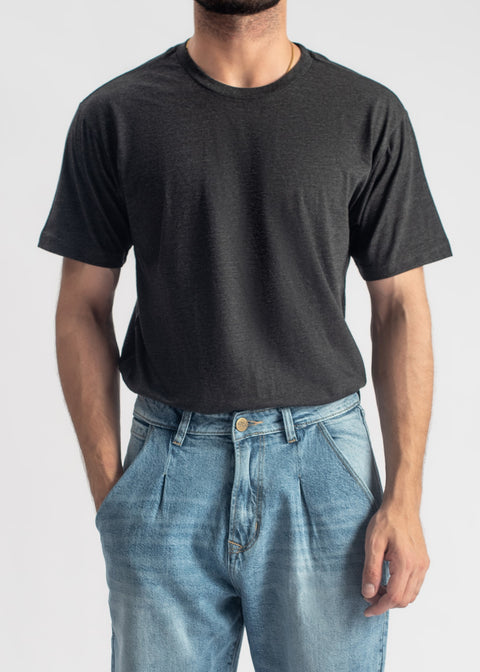
Basic T-Shirt Charcoal
Rs.1,690Rs.1,250
Rs.1,690Rs.1,250
Rs.3,250
Rs.4,380Rs.1,947
Rs.5,280

Pakistan’s summer temperatures regularly exceed 38°C, making standard 12-14 oz denim unbearable. The fix is lightweight denim under 12 oz, in relaxed or wide-leg fits, with high cotton content and lighter washes that reflect sunlight. This guide covers 10 specific styles that work in Pakistani heat, from baggy jeans dominating street fashion in 2026 to fusion-friendly denim kurtas, all available locally in the Rs.3,590 to Rs.5,590 range.
Here’s what nobody selling jeans in Pakistan wants to admit: the denim hanging in most stores is 12 to 14 oz midweight fabric designed for moderate climates. Wear that in Lahore, where the average daily high hits 103°F (39.4°C) during peak summer, and you’re carrying a heavy cotton blanket on your legs.
The problem gets worse city by city. Karachi’s summers bring lower peak temperatures but oppressive humidity that makes even lighter fabrics cling. Multan and interior Sindh regularly push past 45°C. The mean temperature across Pakistan’s plains hits 38°C in June, and extremes have exceeded 53°C in parts of Sindh.
Yet people don’t want to stop wearing jeans. Denim is versatile, durable, and central to how Pakistanis dress for campus, work, and social life. The answer isn’t giving up jeans. It’s choosing the right ones.
Lightweight denim for hot weather in Pakistan means three things: lower fabric weight (under 12 oz), cotton-dominant composition, and fits that let air circulate. Get those three right, and denim works even in July.
Browse best-selling summer jeans to see what’s trending right now.
Before jumping into specific picks, you need a framework. Remember this: if it’s above 12 oz, save it for winter.
Denim weight is measured in ounces per square yard. Here’s the breakdown that matters for Pakistan:
As denim expert Nick Hornby at Stridewise puts it after eight years of testing: “Below 12 oz, you’re looking at jeans that can actually feel better than some khakis and chinos in the summer.” That’s not intuition, it’s the physics of denim’s relatively open weave compared to tightly woven chino cotton.
Cotton remains Pakistan’s number one summer fabric for good reason. Natural cotton fibers allow air to circulate and balance body heat. For lightweight denim, look for:
One important caveat from the denim community: “Raw” or “dry” denim will be stiffer and less breathable until broken in. Pre-washed lightweight denim is the better summer pick because it’s soft from your first wear.
The 2026 trend in Pakistan aligns perfectly with what science says about heat. Practitioners covering Pakistani street fashion note that baggy fit denim for men is not a passing phase. It dominates campus wear, city streets, and casual social settings across the country. The practical reason is simple: more room through the leg means more airflow, and in Pakistan’s heat, that’s a real advantage over fitted denim through a long summer day.
Wide-leg, relaxed, baggy, barrel, and bootcut fits all score higher for breathability than skinny or slim cuts.
Light colors reflect sunlight. Dark colors absorb it. For daytime summer wear, whites, ice blues, light washes, and beige tones keep you measurably cooler. Dark washes still work for evening outings but will absorb more heat during the day.
| # | Style | Best For | Airflow | Gender | Ideal Weather | Price Range (1947) |
|---|---|---|---|---|---|---|
| 1 | Baggy/Relaxed Fit | Campus, street, all-day wear | High | Men | Dry + humid heat | Rs.3,590 - Rs.5,280 |
| 2 | Barrel Fit | Trend-forward volume styling | High | Men | Dry + humid heat | Rs.4,380 - Rs.5,280 |
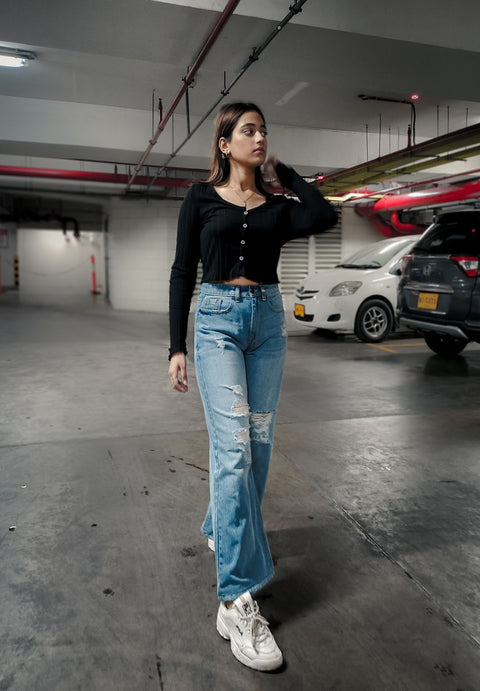
| 3 | Wide Leg (Women) | Breathable alternative to skinny | High | Women | Dry + humid heat | Rs.3,590 - Rs.4,990 |
| 4 | Straight Fit | Office-appropriate summer denim | Medium | Men | Dry heat, AC offices | Rs.3,590 - Rs.4,890 |
| 5 | Bootcut | Retro ankle airflow | Medium-High | Men/Women | Dry heat | Rs.4,890 |
| 6 | Light-Wash / Ice Blue | Maximum heat reflection daytime | Medium-High | Unisex | Extreme dry heat | Rs.5,280 |
| 7 | Cargo Jeans | Utility + airflow | High | Men | All summer conditions | Rs.5,590 |
| 8 | Co-ord Sets (Women) | Complete lightweight outfit | High | Women | Dry + humid heat | Rs.4,690 - Rs.4,990 |
| 9 | Denim Kurtas (Women) | Fusion styling | Medium | Women | Dry heat, evening | Rs.3,590 - Rs.4,990 |
| 10 | Flex/Stretch Lightweight | Comfort with some give | Moderate | Unisex | AC environments, mild days | Rs.3,590 - Rs.4,380 |
Best for: All-day campus and street wear in Karachi and Lahore heat.
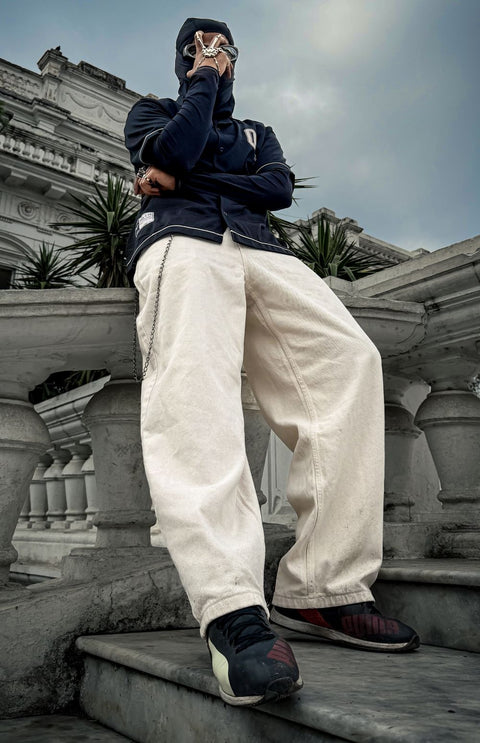
This is the default recommendation for summer 2026 in Pakistan. The silhouette dominates because it works on every level: it fits the relaxed aesthetic that Pakistani streetwear has adopted, and the generous cut through the thigh and calf creates natural ventilation.
Tradeoffs:
On Reddit’s Pakistan fashion communities, users regularly credit relaxed and baggy fits from local brands as daily staples. One user on r/PakistanFashionAdvice highlighted relaxed fit urban pleated jeans from 1947 Clothing as part of their regular rotation.
Explore the full men’s range for baggy and relaxed options.
Best for: Trend-forward shoppers who want volume without going full baggy.
Barrel fit jeans taper at the ankle while ballooning slightly through the thigh and knee, creating a distinctive silhouette. The rounded shape generates airflow through the leg while keeping the hem clean. It’s the pick for someone who finds baggy too loose but knows skinny jeans are a punishment in Pakistani summers.
Tradeoffs:
Check out 1947 Clothing’s barrel fit collection for locally available options in this silhouette.
Best for: Women who want a breathable alternative to skinny denim.
Wide leg jeans are not just stylish but practical for summer, as they allow air to flow freely around the legs. For women in Pakistan who’ve spent years defaulting to skinny jeans, this is the upgrade that actually makes denim wearable in June through September.
Tradeoffs:
Most women in Pakistan are currently pairing short kurtas with jeans or lawn shirts with trousers. This fusion approach creates a polished look while delivering comfort during hot weather, and wide-leg denim is the ideal bottom half of that equation.
Best for: Office-appropriate summer denim with clean lines.
Not everyone can wear baggy to work. Straight fit jeans offer a middle ground: enough room through the leg for decent airflow, but structured enough to pair with a button-down or polo in a business-casual environment. For Islamabad professionals in particular, where summer temperatures are milder than Lahore or Karachi, straight fit in a lightweight fabric is the sweet spot.
Tradeoffs:
Best for: A slightly retro flare that increases airflow at the ankle.
Bootcut jeans flare out below the knee, creating a chimney effect that pulls air upward through the leg. It’s a fit that’s cycling back into fashion and has a genuine functional advantage in hot weather. The ankle opening is wider than straight or slim fits, which means less fabric pressing against skin at the point where heat accumulates.
Tradeoffs:
Best for: Daytime wear when heat reflection matters most.
This is less about fit and more about physics. Light colors reflect sunlight rather than absorbing it. When the sun is beating down in Multan at 47°C, the difference between dark indigo and ice blue denim is noticeable. Light-wash and white jeans run cooler against your skin during outdoor wear.
Tradeoffs:
Best for: Utility-focused styling with above-average airflow.
Cargo jeans combine the durability of denim with the looser leg profile of cargo pants. The extra pocket panels might seem counterintuitive for summer, but the relaxed cut through the thigh and calf more than compensates. For men who need pockets (phone, wallet, keys, earbuds) and don’t want to carry a bag, cargo jeans are the practical summer choice.
Tradeoffs:
Browse 1947 Clothing’s cargo pants collection for options designed with Pakistani summers in mind.
Best for: Women wanting a complete lightweight denim outfit without the guesswork.
A co-ord set eliminates the styling puzzle entirely. The top and bottom are designed together in matching or complementary lightweight denim, creating a cohesive look. For Pakistani summers, look for sets in lighter washes where both pieces are cut for airflow: a relaxed top with wide-leg or culottes on the bottom.
Tradeoffs:
Explore co-ord set options for ready-made summer outfits.
Best for: Fusion styling that bridges eastern and western wardrobes.
The denim kurta is uniquely Pakistani and almost completely absent from international denim guides. Worn as a top layer over lightweight lawn trousers, culottes, or even other denim, it offers the structure and edge of denim without the trapped-heat problem of full denim bottoms.
Tradeoffs:
This fusion angle, pairing denim tops with lightweight eastern bottoms, is one of the smartest moves for women navigating hot weather in Pakistan. You get the aesthetic of denim without committing both halves of your outfit to it.
Best for: Comfort seekers who need flexibility, with a breathability caveat.
Stretch denim contains elastane or spandex blended with cotton to give the fabric some give. For people who find pure cotton denim too rigid, flex jeans offer a compromise. The Flex Light Blue Jeans are a good example of this category done right.
Tradeoffs:
Practitioners on forums and denim review sites consistently warn that summer is not the best time for heavy stretch denim. If you choose this route, keep the stretch percentage low (under 5% elastane) and prioritize a loose fit to offset the reduced breathability.
No international guide accounts for the dramatic climate differences within Pakistan. Here’s how to adjust your picks:
Lahore (Dry furnace heat, 39-45°C):
Go as light as possible. Under 10 oz, light wash, baggy or wide-leg fit. This is where the 12-oz rule is non-negotiable. Pair with cotton tees, never polyester.
Karachi (Humid coastal heat, 31-35°C with high humidity):
Temperature is lower, but humidity makes everything cling. Prioritize 100% cotton construction, avoid any synthetic blend. Wide-leg and barrel fits keep fabric away from skin. The Surfer style is worth considering for Karachi’s coastal casualness.
Islamabad (Milder, 33-38°C):
You can get away with midweight denim longer into summer here. Straight fit in medium wash works for most of the season. Switch to lightweight only during June-August peak.
Multan / Interior Sindh (Extreme dry heat, 42-50°C):
Honestly, lightweight denim is borderline here during peak afternoon heat. Wear it for mornings, evenings, and air-conditioned environments. White or ice blue only for daytime.
Men’s street formula (2026): Fitted tee or drop-shoulder tee on top, baggy or barrel jeans on the bottom, clean sneakers. This proportional contrast (slim top, volume bottom) is the dominant Pakistani street silhouette this year. 1947 Clothing offers bundle deals on jeans plus tees that come with roughly 10% off, a practical way to build the look.
Women’s fusion formula: Short kurta or lawn top with wide-leg denim, or denim kurta with lightweight cotton trousers. Minimal accessories. This mix creates a polished appearance while handling the heat, and it’s the styling approach most Pakistani women are already gravitating toward.
Monsoon-proofing (July-September): Cropped or ankle-length jeans are essential during Pakistan’s monsoon season, which lasts from roughly July to September and brings heavy rainfall to Karachi, Lahore, and Islamabad. Long hems on wide-leg or bootcut jeans turn into wet, heavy weights that defeat the purpose of lightweight denim. Roll your cuffs or buy cropped cuts for these months.
There’s a point that denim purists raise and it deserves acknowledgment. Lightweight denim is woven thinner, which means it doesn’t last as long as heavyweight fabric. Some in the raw denim community call lightweight jeans “one-season wonders.”
That’s a real tradeoff. But it’s also a tradeoff worth making if the alternative is not wearing jeans at all for five months of the year. The key is buying quality lightweight denim rather than cheap lightweight denim. Well-constructed jeans with proper stitching and reinforced stress points will outlast cheap alternatives regardless of fabric weight.
1947 Clothing produces sustainably in Pakistan with ZDHC-aligned water treatment and sustainable raw material sourcing. Quality lightweight denim from a responsible manufacturer lasts longer than bargain-bin alternatives, even at the same oz weight.
As Stridewise’s denim team notes: “The point of denim is to be tough first and breathable second, so even lightweight denim jeans may not be the absolute most comfortable summer pants possible. But they might be the toughest summer pants that are also pretty good for hot weather.”
Lightweight denim needs slightly different care to maximize its lifespan:
For context, here’s roughly what the local market looks like:
| Brand Tier | Price Range | Notes |
|---|---|---|
| Budget (Breakout) | Rs.1,500 - Rs.4,500 | Teen/young adult focused |
| Mid-market (1947, Outfitters, Engine) | Rs.3,590 - Rs.5,590 | Best balance of quality and price |
| Premium local (Gul Ahmed Ideas Salt) | Rs.4,000 - Rs.7,000+ | Higher cotton content, premium finishes |
| International (Levi’s, Zara) | Rs.8,000 - Rs.18,000+ | Import markup, not always climate-optimized |
1947 Clothing sits in the mid-market sweet spot: core jeans at Rs.3,590 to Rs.5,590, tees at Rs.1,250, with bundle offers that bring the total down by about 10%. For shoppers on a tighter budget, the brand also offers 3-installment payment via Alif Pay at checkout.
For families, the KhelKood kids’ collection extends lightweight denim to children at lower price points.
Yes, but only if you choose correctly. Jeans under 12 oz with high cotton content and a relaxed fit are genuinely wearable in extreme heat. Denim’s weave is more breathable than many people assume. A 10 oz pair of baggy jeans can feel cooler than tightly woven chinos that are technically lighter.
Cotton-dominant blends, ideally 95% cotton or higher. Cotton-linen blends are even better for breathability. Avoid jeans with high polyester or spandex content, as these synthetics trap heat and moisture against the skin.
Technically functional, but not recommended for outdoor wear in serious heat. Skinny fits press fabric directly against your skin from hip to ankle, eliminating the air gap that keeps you cool. If you prefer a slimmer look, straight fit is a better compromise than true skinny.
Check the product description for fabric weight in ounces. Anything under 12 oz is lightweight. If the weight isn’t listed, feel the fabric: lightweight denim feels soft, drapey, and thin compared to the rigid, stiff feel of 14 oz+ jeans. Pre-washed denim also tends to feel lighter than raw denim of the same weight.
Both are cotton, but they’re woven differently. Denim uses a twill weave (diagonal ribbing), while chambray uses a plain weave. Chambray is typically lighter and softer, while even lightweight denim retains more structure and durability. For jeans specifically, you want lightweight denim, not chambray.
Not entirely. Dark washes absorb more sunlight and heat, but they’re fine for evening wear, indoor events, and air-conditioned settings. For outdoor daytime wear in direct sunlight, light washes and white denim are measurably cooler.
Switch to cropped or ankle-length fits during July through September. Long-hemmed jeans, especially wide-leg and bootcut, soak up rainwater and become heavy. Quick-drying lightweight denim in a cropped cut is the smartest monsoon choice.
If you’re in Karachi, 1947 Clothing has a physical outlet at The Ocean Mall (Outlet #205, 2nd Floor). For online purchases, the brand offers a 7-day exchange policy to reduce the risk of getting the wrong fit.
Ready to find your summer pair? Browse 1947 Clothing’s latest summer arrivals for lightweight denim designed specifically for Pakistan’s climate, with same-day dispatch and nationwide delivery.
Do you wish to signup or use your loyalty points associated with your phone number?
This number was not found in our past loyalty records, you will be registered in our Loyalty Program
Name:
Lifetime amount spent:
Loyalty Tier:
Redeemable Amount: Rs.
You have 0 credits to redeem.